
Soma (Carisoprodol): The Comprehensive Guide to Muscle Relaxation and Pain Relief
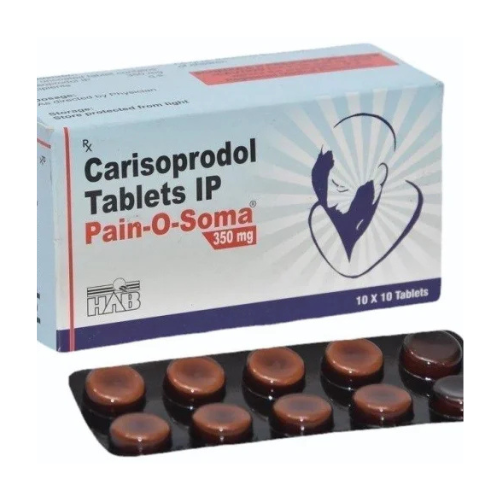
Physical injuries and musculoskeletal conditions can significantly hinder your daily productivity and overall quality of life. Soma, medically known as Carisoprodol, is a potent skeletal muscle relaxant designed to alleviate moderate to severe physical discomfort. Approved in the United States in 1959, it belongs to the carbamate class of medications and is currently classified as a Schedule IV controlled substance, requiring professional medical oversight for safe use.
Therapeutic Applications
Soma is primarily utilized to manage acute, painful musculoskeletal conditions. It is most effective when used as part of a comprehensive treatment plan that includes:
-
Rest: Allowing the affected area time to heal.
-
Physical Therapy: Improving strength and mobility through guided exercise.
-
Short-term Relief: It is generally intended for limited duration (up to two or three weeks), as long-term efficacy has not been established for acute injury.
Mechanism of Action: How Soma Works
While the exact chemical pathway is still being studied, researchers believe Soma functions by altering the communication between the central nervous system and the brain.
-
Signal Modulation: Rather than healing the injury directly, it changes how the brain perceives pain signals sent from the nerves.
-
Metabolism: Once consumed, enzymes in the body break the medication down into active molecules that target the site of discomfort.
-
Onset: Most users feel the effects within 30 minutes of ingestion.
Dosage and Administration
Because Soma impacts the brain and nerve cells, following a strict dosing schedule is vital.
-
Standard Strengths: It is commonly available in 350 mg and 500 mg tablets.
-
Typical Routine: Doctors usually prescribe the 350 mg dose to be taken three times a day and at bedtime. The 500 mg dose is reserved for more severe cases under close clinical supervision.
-
Duration in System: A standard dose remains active for approximately 6 hours. This can vary based on an individual’s metabolic rate and genetic profile.
Important Safety Guidelines
Missing or Overdosing
-
Missed Dose: Take it as soon as you remember. If it is almost time for your next scheduled dose, skip the missed one. Never double the dose, as this significantly increases the risk of toxicity.
-
Overdose: An overdose can result in serious health complications. Seek emergency medical assistance immediately if you suspect an overdose.
Lifestyle Restrictions
-
Alcohol: Do not combine Soma with alcohol. Both are central nervous system depressants; mixing them can cause dangerous levels of respiratory depression, extreme dizziness, and loss of consciousness.
-
Driving: Because the medication causes drowsiness and impaired coordination, you should avoid operating heavy machinery or driving until you know how the drug affects you.
Side Effects and Precautions
Common Side Effects
Most side effects are mild and manageable, including:
-
Dizziness or Vertigo
-
Drowsiness/Sleepiness
-
Headaches
-
Nausea or upset stomach
Rare but Serious Reactions
If you experience any of the following, discontinue use and contact a doctor immediately:
-
Difficulty breathing or chest pain
-
Fever or extreme physical weakness
-
Severe allergic reactions (swelling of the face or tongue)
Who Should Avoid Soma?
-
Pregnant/Nursing Women: It should be avoided during the first trimester and used with extreme caution thereafter. It can also pass into breast milk.
-
Elderly Patients: Seniors are at a higher risk for sedation and falls.
-
Pre-existing Conditions: Inform your doctor if you have a history of liver or kidney disease, seizures, or a history of substance abuse.
Purchasing Soma Online
Soma is a prescription medication. To ensure your safety and the legality of your purchase:
-
Consult a Professional: Obtain a valid prescription from a licensed healthcare provider.
-
Verify the Source: Ensure the online pharmacy provides FDA-approved medication and has a verifiable customer support system.
-
Check for Alternatives: If Soma is not suitable for you, professionals may recommend alternatives like Tramadol or Aspadol (Tapentadol).
Frequently Asked Questions
1. What is the pain reliever Soma?
Soma is the brand name for Carisoprodol, a prescription skeletal muscle relaxant. It is designed to treat acute, painful musculoskeletal conditions by altering the communication between the nerves and the brain. Typically used for short durations, it helps patients recover from muscle strains or injuries alongside physical therapy and rest.
2. What is the happy drug called Soma?
In a medical context, “Soma” refers to Carisoprodol, which can produce a sense of relaxation or mild euphoria as a side effect. However, the term “Soma” is also famous in literature (Aldous Huxley’s Brave New World) as a fictional “happy drug” used to control society by inducing a state of bliss.
3. Is Soma considered a narcotic?
Technically, Soma is not a narcotic; it is a sedative-hypnotic muscle relaxant. However, because it is metabolized into meprobamate (a tranquilizer) and has a high potential for misuse and dependency, the DEA classifies it as a Schedule IV controlled substance, placing it in a similar regulatory category as many anti-anxiety medications.
4. Is Soma good for sleeping?
While Soma causes significant drowsiness and sedation as a primary side effect, it is not clinically indicated as a sleep aid. Using a potent muscle relaxant specifically for insomnia is discouraged because it can cause heavy morning grogginess, respiratory depression, and a high risk of developing a physical dependency.
5. What replaced Soma?
In modern medicine, doctors often prefer “newer” muscle relaxants with lower abuse potential, such as Cyclobenzaprine (Flexeril), Tizanidine (Zanaflex), or Baclofen. These alternatives target muscle spasms effectively but do not metabolize into substances that produce the same intense sedative “high” associated with Soma.
6. Why is Soma not prescribed anymore?
Soma is still prescribed, but its use has significantly declined. This is due to its high potential for addiction and its dangerous interactions when combined with opioids and benzodiazepines (known as “The Holy Trinity”). Many physicians now view the risks of respiratory failure and dependency as outweighing the therapeutic benefits.
7. What is the closest medication to Soma?
The closest medication in terms of chemical structure and effect is Meprobamate, which is actually what Soma turns into once your liver processes it. In terms of modern muscle relaxants, Cyclobenzaprine is often used for similar acute muscle pain, though it lacks the specific sedative-tranquilizer profile of Soma.
8. What to avoid when taking Soma?
Strictly avoid alcohol, as the combination can lead to extreme sedation and life-threatening respiratory depression. You should also avoid other CNS depressants like sleep meds or opioids. Because it impairs motor skills, avoid driving or operating heavy machinery until the medication has completely cleared your system.
9. Is it bad to take a muscle relaxer every night?
Taking muscle relaxants nightly without a doctor’s oversight can lead to physical tolerance, meaning you’ll need higher doses to feel relief. It can also disrupt your natural sleep architecture and lead to a “rebound” effect where muscle tension feels worse once you stop taking the medication.
10. Why don’t doctors like to prescribe muscle relaxers?
Many doctors are cautious because muscle relaxants often mask symptoms rather than treating the underlying injury. Additionally, they carry risks of sedation, falls (especially in the elderly), and potential for abuse. Most clinical guidelines suggest they should only be a short-term “bridge” for acute pain, not a long-term solution.
11. What organs are affected by muscle relaxers?
The liver is the primary organ responsible for metabolizing these drugs, and the kidneys handle their excretion; chronic use can strain both. Additionally, because they impact the Central Nervous System, they affect the brain’s alertness centers and can occasionally cause cardiovascular stress or respiratory suppression.
12. Which muscle relaxer is the safest?
Safety” depends on the patient, but Metaxalone (Skelaxin) is often cited as having fewer sedative side effects than others. Cyclobenzaprine is also widely considered safe for short-term use in healthy adults. However, any muscle relaxant must be screened against your specific medical history to be truly safe for you.




Reviews
There are no reviews yet.